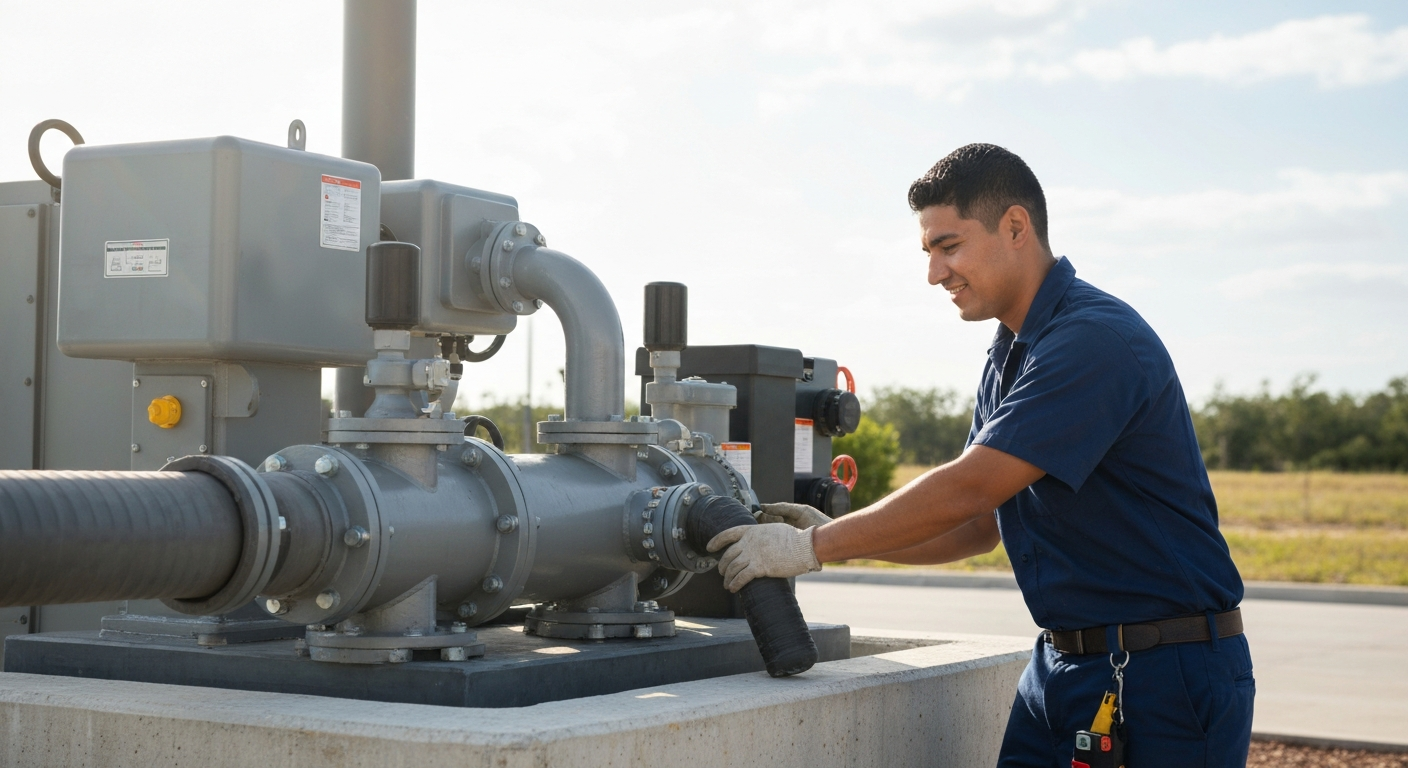
Grease Trap Cleaning in Naples, FL
Scheduled grease trap service that keeps your kitchen compliant and your drains clear. We connect you with a licensed local pro who handles it on a schedule, not just when something backs up.
What Grease Trap Cleaning Actually Involves
A grease trap works by slowing down wastewater as it leaves a kitchen, giving fats, oils, and grease (often shortened to FOG) time to separate and float to the top instead of flowing straight into the sewer line. Solids settle to the bottom.
Cleaning means pumping out the accumulated grease and solids, and checking the trap's baffles and internal components while it's open. A trap that's more than a quarter full is already losing effectiveness, which is part of why Florida ties its cleaning requirement to that threshold rather than a flat time interval alone.
There's also a difference between a grease trap and a grease interceptor. Traps are typically smaller, under-sink units. Interceptors are larger, often installed outside or below grade, and handle higher volume kitchens.
Signs Your Grease Trap Needs Service
Slow draining sinks or floor drains in the kitchen
A grease or sewage smell near the trap or drain lines
It has been more than 90 days since your last cleaning
You are getting ready for a health inspection
A trap that's a quarter full or more is already losing capacity, meaning grease has a shorter path to the sewer line before it's caught.
How Grease Trap Cleaning Works
Schedule Service
Set up a one-time cleaning or a recurring schedule based on how busy your kitchen is.
Pump and Clean the Trap
A licensed pro pumps out built-up fats, oils, and grease, and cleans the trap itself.
Inspect Lines and Flow
The connected drain lines get checked to make sure grease isn't building up further down the system.
Documentation for Compliance
You get service records on file for a health inspector or your local utility.
Grease Trap Compliance in Florida
Florida requires grease traps to be pumped at least every 90 days, or sooner if the trap is a quarter full. For a busy kitchen, that can mean more frequent service than the minimum.
The math consistently favors staying on schedule. A routine cleaning on a small trap typically runs $150 to $200 per visit, and a larger outdoor interceptor typically runs $350 to $1,500. Skip enough scheduled visits and the same job becomes an emergency call, reactive service after a missed schedule commonly runs $950 to $1,200 or more per visit.
We connect restaurants, property managers, and commercial kitchens throughout the Naples area, including the busy commercial stretch along US-41, with pros who keep this on a reliable schedule.
What Grease Trap Cleaning Typically Costs
| Service | Typical Cost |
|---|---|
| Small indoor/under-sink trap, routine cleaning | $150–$200 per visit |
| Large outdoor interceptor, routine cleaning | $350–$1,500 per visit |
| Annual maintenance, small trap (monthly service) | $1,800–$2,400 per year |
| Annual maintenance, interceptor (comprehensive) | $400–$800 per year, plus pumping |
| Emergency/reactive service after a missed schedule | $950–$1,200+ per visit |
| New installation, small indoor unit | $400–$1,450 |
| New installation, large outdoor interceptor | $5,000–$23,000 |
These are typical ranges, not a quote. Your actual cost depends on trap or interceptor size, service frequency, and kitchen volume.
Example Job — US-41 Commercial Corridor
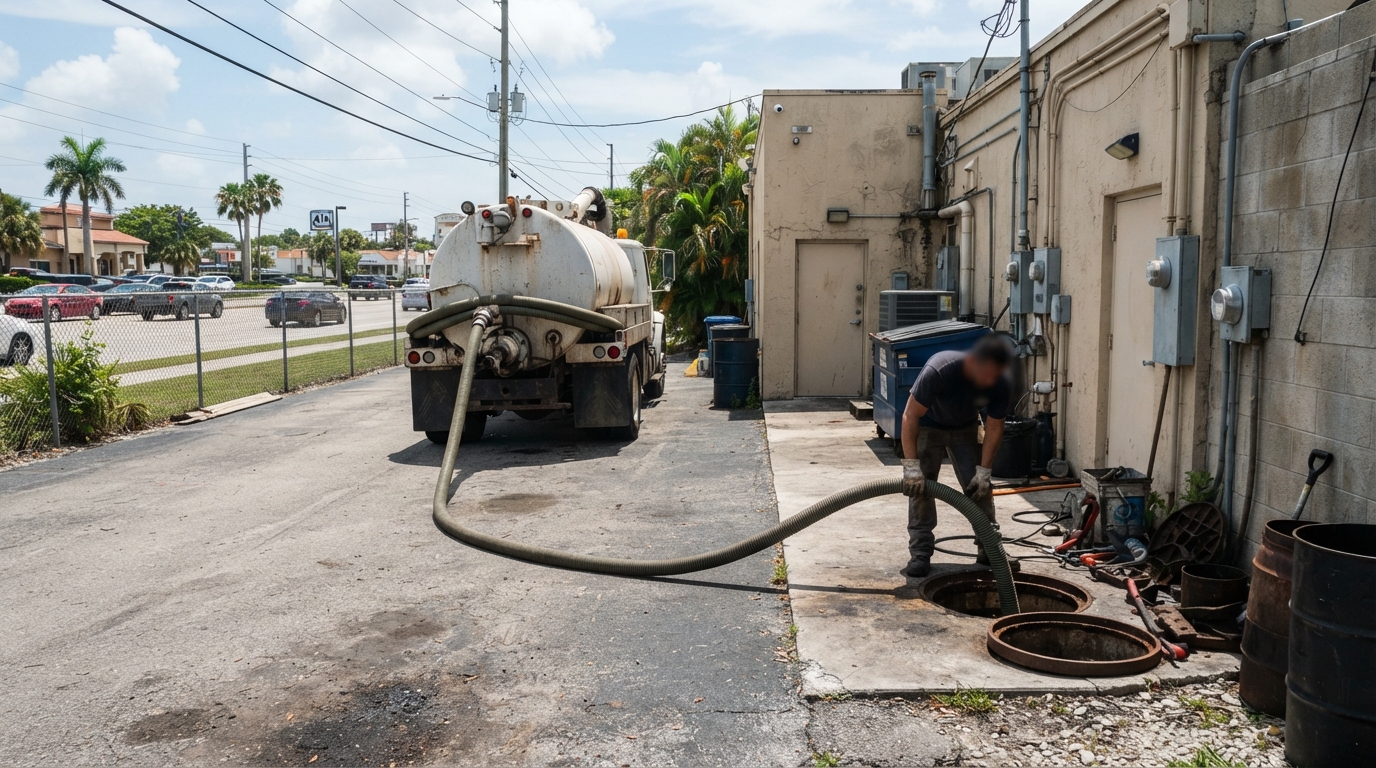
Emergency interceptor service after a missed quarterly cleaning caused a weekend rush backup
The Problem
A restaurant along the busy US-41 commercial corridor had a kitchen backup during a Saturday night dinner rush, and management realized their last two scheduled quarterly cleanings on their outdoor interceptor had been missed.
The Diagnosis
The technician found the interceptor well past the 25% capacity threshold, with compacted grease from the missed services beginning to travel past the trap into the connected kitchen line.
The Fix
The connected contractor performed an emergency pump-out and full cleaning of the interceptor, then jetted the affected section of kitchen line to clear grease that had already worked its way past the trap.
Recurrence Prevention
Management restarted the quarterly service schedule and got documentation back on file. The two missed routine visits would have cost a fraction of the single emergency call that resulted from skipping them.
| Item | Cost |
|---|---|
| Emergency interceptor pump-out | $950–$1,200 |
| Line jetting (grease past trap) | $600–$900 |
| Total | $1,550–$2,100 |
Costs vary by trap/interceptor size and service history — this reflects a typical missed-schedule emergency scenario and is not a quote. A quick call to your connected professional will confirm exact pricing for your property.
Why Restaurants and Property Managers Work With Us
Scheduled, Not Just Reactive
We connect you with pros who set up a recurring schedule so you're never scrambling before an inspection.
Licensed and Verifiable
Every pro in our network is licensed for this work in Florida. You can check any contractor at myfloridalicense.com before work starts.
Built for Commercial Kitchens
We understand how kitchen volume affects how often a trap actually needs service.
Documentation You Can Show
Service records are kept on file, ready if a health inspector or your utility asks.